Traditional Haitian Vodou and Louisiana Voodoo did not historically use tarot cards, as they are syncretic, lineage-based African Diaspora religions that rely on distinct divination systems like the Fa or bone throwing. However, in modern, urban, and New Age practices, practitioners have adopted tarot as a cross-cultural tool. This fusion has birthed prominent tarot guides and decks specifically designed to bridge the structural framework of the Tarot with the spirits (Lwa or Loa) and symbolism of Voodoo
Prominent Voodoo Tarot Decks & Guides
Major Arcana and Lwa Correspondences
How to Approach the Practice
Notes
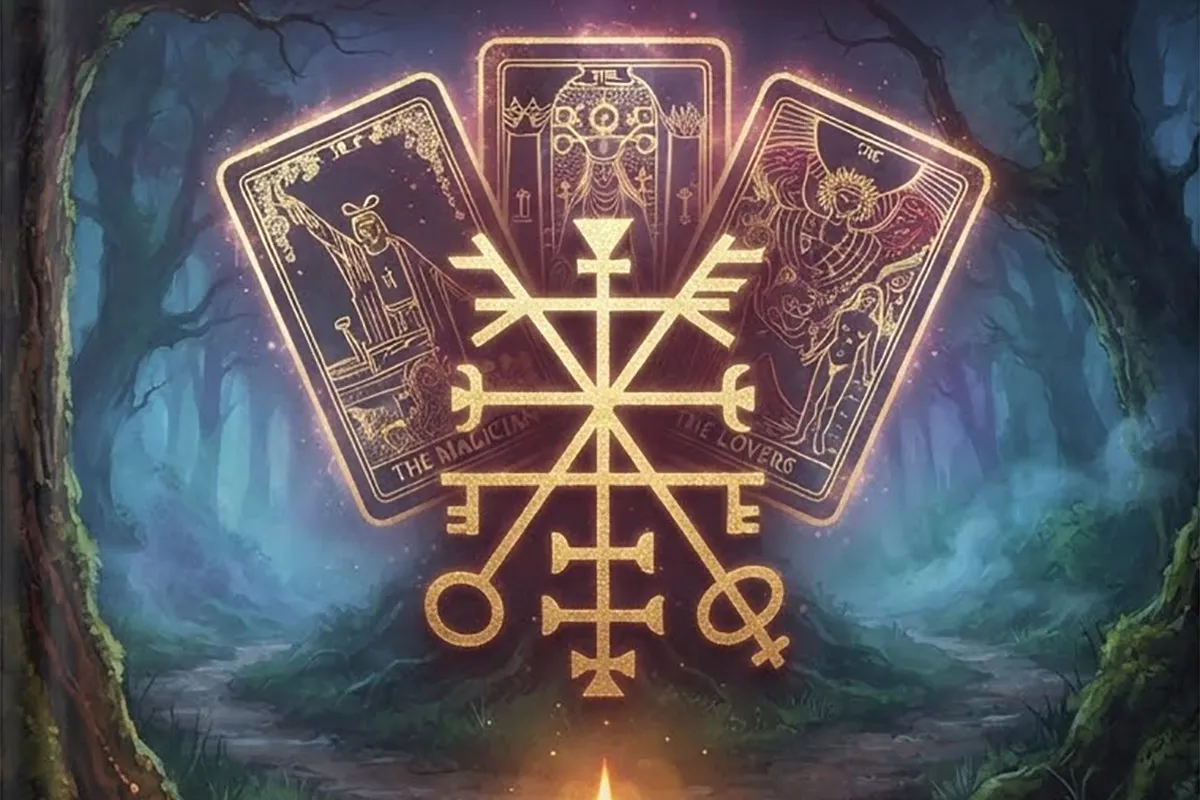
If you are looking for a guide to practicing tarot through the lens of Voodoo, the market relies primarily on two distinctly structured systems:
The Voodoo Tarot Spirit Box (by Fabio Listrani): Released in late 2024 by Lo Scarabeo, this 78-card deck aligns explicitly with the traditional Rider-Waite-Smith (RWS) structure. The Major Arcana map onto the Lwa of Haitian Vodou, while the Minor Arcana explore community, ceremony, and ritual. The court cards are uniquely renamed to Doll (Page), Horse (Knight), Mambo (Queen), and Ougan/Unen (King). It includes a full-color, glossy guidebook focusing on the creator's interpretation of how the cards express Voodoo archetypes.
The New Orleans Voodoo Tarot (by Louis Martinié and Glassman): This classic deck and guide book focuses heavily on New Orleans Voodoo and Santeria, maping the elements to specific traditions: Santeria represents Earth (Pentacles), and the Rada Voodoo nation represents Air (Swords). New Age allegorical representation that takes massive intellectual leaps to force-syncretize distinct Dahomey and Yoruba mythologies.
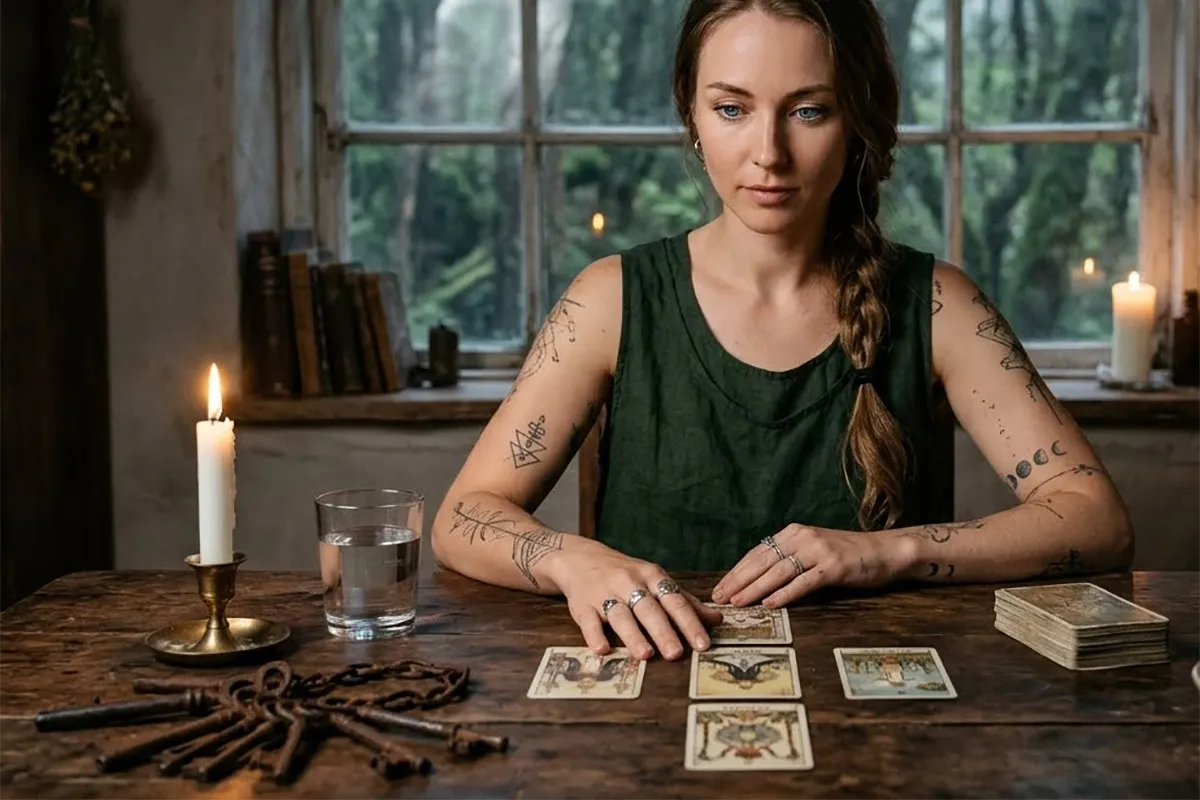
In voodoo-associated tarot guides, traditional Tarot archetypes are mapped to equivalent cosmic forces or historic figures from Voodoo culture. For example, the New Orleans Voodoo Tarot structure aligns as follows:
If you are using these guides for divination or ancestral connection, keep these baseline considerations in mind:
System Familiarity: Most Voodoo tarot decks function best if you already have a firm grasp of the standard Rider-Waite-Smith system.
External Context Needed: Reviewers note that companion guidebooks often prioritize the artist's personal interpretation of the cards rather than deeply educating the reader on the complexities of the religion. To avoid superficial readings, you will likely need to study Haitian or Louisiana Voodoo history independently.
Respecting the Spirits: Unlike standard tarot which focuses heavily on psychological self-reflection, Voodoo tarot frameworks are designed for direct, ritual-based, and serious work—often aimed at establishing respect and connection with ancestors or specific Lwa.
To succeed with Voodoo-associated tarot, you must bridge the structural mechanics of cartomancy with the ritual-focused, spiritual framework of the African Diaspora. Traditional tarot is primarily a tool for psychological self-reflection, but Voodoo-associated tarot is active, transactional, and relies heavily on cultivating relationships with spiritual forces (Lwa or ancestors).
In Voodoo, the Lwa (also spelled Loa) are the spirits, deities, or divine forces that act as intermediaries between humanity and the supreme creator God (Bondye).
Because Bondye is considered too distant and grand to interact with everyday human affairs, practitioners direct their prayers, rituals, and tarot inquiries to the Lwa, who actively intervene in the physical world.
Core Methods for Reading Voodoo Tarot
• The Three-Card Lineal Spread: Instead of Past/Present/Future, map cards to The Ancestors (what you inherit), The Present Self (where you stand), and The Lwa (the active spiritual influence guiding or blocking you).
• The Crossroads Cross (5-Card Spread): Inspired by Papa Legba, the keeper of the crossroads.
• The "Possession" Anchor: Draw one Major Arcana card to see which Lwa archetype is trying to express itself through your actions this week (e.g., drawing the Magician/Dr. John means it is time to actively manifest and work with your physical tools).
The Opening Verbal Petition: Knock three times firmly on the table or floor with your knuckles to knock on the "spiritual door." Speak clearly:
"Papa Legba, open the gate for me. Clear the paths, remove the tricks, and let the truth speak through these cards. Respect to the ancestors, respect to the Lwa."
Closing the Ritual
Never just walk away from a Voodoo-associated reading. Once you have written down your insights:
Thank Papa Legba out loud for his clarity.
Blow out the candle safely.
Pour the glass of water out into the earth or down the drain, symbolizing the recycling of spiritual energy back to nature.
SUBSCRIBE for more!
/discord

Table of contents
Prominent Voodoo Tarot Decks & Guides
Major Arcana and Lwa Correspondences
How to Approach the Practice
Notes
Prominent Voodoo Tarot Decks & Guides
If you are looking for a guide to practicing tarot through the lens of Voodoo, the market relies primarily on two distinctly structured systems:
The Voodoo Tarot Spirit Box (by Fabio Listrani): Released in late 2024 by Lo Scarabeo, this 78-card deck aligns explicitly with the traditional Rider-Waite-Smith (RWS) structure. The Major Arcana map onto the Lwa of Haitian Vodou, while the Minor Arcana explore community, ceremony, and ritual. The court cards are uniquely renamed to Doll (Page), Horse (Knight), Mambo (Queen), and Ougan/Unen (King). It includes a full-color, glossy guidebook focusing on the creator's interpretation of how the cards express Voodoo archetypes.
The New Orleans Voodoo Tarot (by Louis Martinié and Glassman): This classic deck and guide book focuses heavily on New Orleans Voodoo and Santeria, maping the elements to specific traditions: Santeria represents Earth (Pentacles), and the Rada Voodoo nation represents Air (Swords). New Age allegorical representation that takes massive intellectual leaps to force-syncretize distinct Dahomey and Yoruba mythologies.
Major Arcana and Lwa Correspondences
In voodoo-associated tarot guides, traditional Tarot archetypes are mapped to equivalent cosmic forces or historic figures from Voodoo culture. For example, the New Orleans Voodoo Tarot structure aligns as follows:
| Traditional Tarot Card | Voodoo / Santeria Equivalent | Role / Archetype |
|---|---|---|
| The Magician | Dr. John | The legendary historical rootworker and sorcerer. |
| The High Priestess | Marie Laveau | The Voodoo Queen of New Orleans; keeper of intuition and secrets. |
| The Empress | Ayizan | The Lwa of the marketplace, commerce, and initiation rituals. |
| The Emperor | Loco | The Lwa of vegetation, wilderness, and healing properties. |
| Strength | Possession | The act of hosting a spirit, representing divine internal power. |
| The Hanged Man | Zombi | Symbolic suspension, lack of agency, or an altered state of being. |
How to Approach the Practice
If you are using these guides for divination or ancestral connection, keep these baseline considerations in mind:
System Familiarity: Most Voodoo tarot decks function best if you already have a firm grasp of the standard Rider-Waite-Smith system.
External Context Needed: Reviewers note that companion guidebooks often prioritize the artist's personal interpretation of the cards rather than deeply educating the reader on the complexities of the religion. To avoid superficial readings, you will likely need to study Haitian or Louisiana Voodoo history independently.
Respecting the Spirits: Unlike standard tarot which focuses heavily on psychological self-reflection, Voodoo tarot frameworks are designed for direct, ritual-based, and serious work—often aimed at establishing respect and connection with ancestors or specific Lwa.
Notes
To succeed with Voodoo-associated tarot, you must bridge the structural mechanics of cartomancy with the ritual-focused, spiritual framework of the African Diaspora. Traditional tarot is primarily a tool for psychological self-reflection, but Voodoo-associated tarot is active, transactional, and relies heavily on cultivating relationships with spiritual forces (Lwa or ancestors).
In Voodoo, the Lwa (also spelled Loa) are the spirits, deities, or divine forces that act as intermediaries between humanity and the supreme creator God (Bondye).
Because Bondye is considered too distant and grand to interact with everyday human affairs, practitioners direct their prayers, rituals, and tarot inquiries to the Lwa, who actively intervene in the physical world.
Core Methods for Reading Voodoo Tarot
• The Three-Card Lineal Spread: Instead of Past/Present/Future, map cards to The Ancestors (what you inherit), The Present Self (where you stand), and The Lwa (the active spiritual influence guiding or blocking you).
• The Crossroads Cross (5-Card Spread): Inspired by Papa Legba, the keeper of the crossroads.
• The "Possession" Anchor: Draw one Major Arcana card to see which Lwa archetype is trying to express itself through your actions this week (e.g., drawing the Magician/Dr. John means it is time to actively manifest and work with your physical tools).
|
[ 4. The Crown ]
(Spiritual Advice)
|
||||
| | | ||||
|
[ 2. The Gate ]
(What to Close)
|
-- |
[ 1. The Crossroads ]
(The Seeker)
|
-- |
[ 3. The Open Road ]
(What to Pursue)
|
| | | ||||
|
[ 5. The Root ]
(Ancestral Foundation)
|
The Opening Verbal Petition: Knock three times firmly on the table or floor with your knuckles to knock on the "spiritual door." Speak clearly:
"Papa Legba, open the gate for me. Clear the paths, remove the tricks, and let the truth speak through these cards. Respect to the ancestors, respect to the Lwa."
Closing the Ritual
Never just walk away from a Voodoo-associated reading. Once you have written down your insights:
Thank Papa Legba out loud for his clarity.
Blow out the candle safely.
Pour the glass of water out into the earth or down the drain, symbolizing the recycling of spiritual energy back to nature.
SUBSCRIBE for more!
/discord
Irelia
Lead Tech Writer
Irelia translates complex current events into engaging digital and print narratives.
Sharing is caring