Every October, we willingly seek out fear through haunted houses and horror movies, turning the body's fight-or-flight response into an exhilarating thrill. This happens because our prefrontal cortex recognizes we are in a safe environment, transforming the rush of adrenaline and dopamine into pure euphoria under a psychological "protective frame." Furthermore, shared scares release bonding hormones like oxytocin, helping us connect with others while providing a safe emotional sandbox to build psychological resilience against our anxieties.
The Chemistry of the "High"
The Power of the "Protective Frame"
Tribal Terror and "Scary Social Bonding"
An Emotional Sandbox for Resilience
Notes
As October draws to a close, millions of people willingly queue for hours to walk through haunted houses, pay to watch actors chase them with chainsaws, and sit in dark theaters letting horror movie soundtracks spike their heart rates. From an evolutionary standpoint, this behavior makes absolutely no sense. Fear is an unpleasant survival mechanism designed to keep us away from danger. Yet, every autumn, we turn terror into a multi-billion-dollar entertainment industry. Why do we love being scared? The answer lies at the intersection of brain chemistry, evolutionary biology, and social psychology.
Human fascination with October scares is driven by the interaction of brain chemistry, evolutionary biology, and social psychology within a controlled environment. Safe terror triggers a surge of adrenaline and dopamine, allowing individuals to experience high-arousal emotions and build social bonds without actual danger.
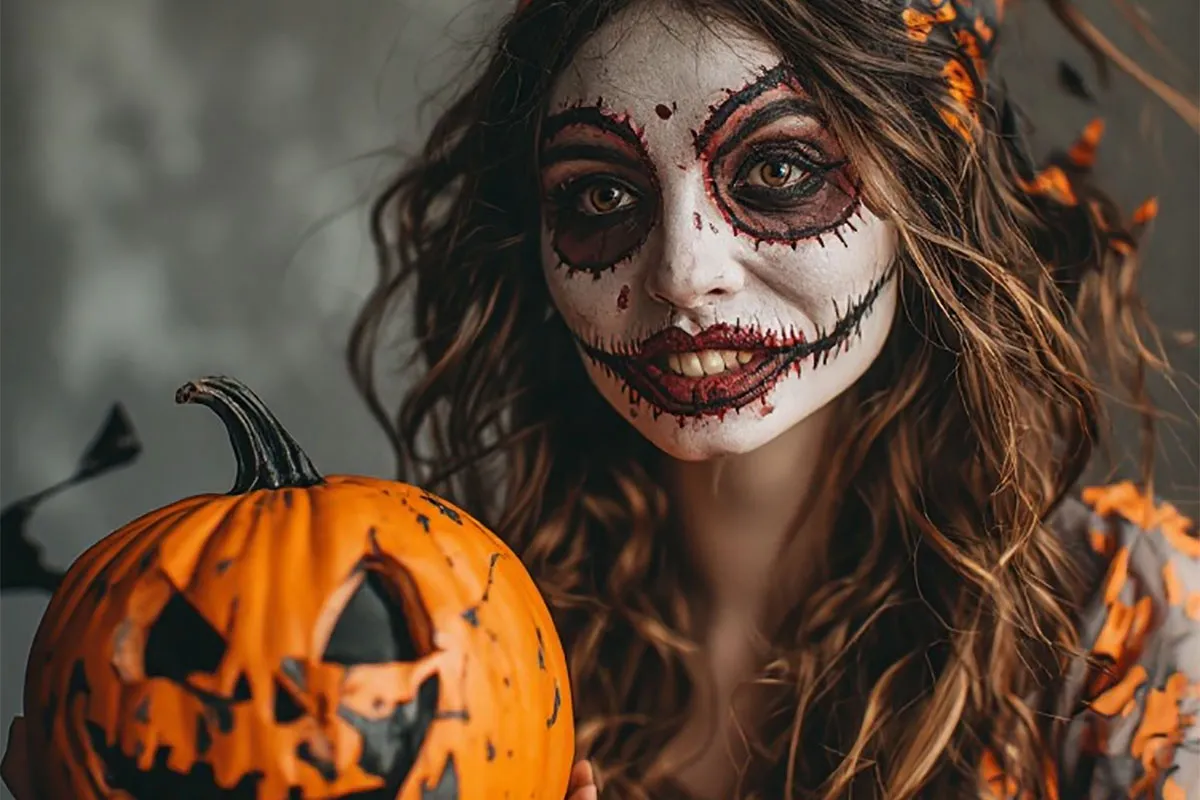
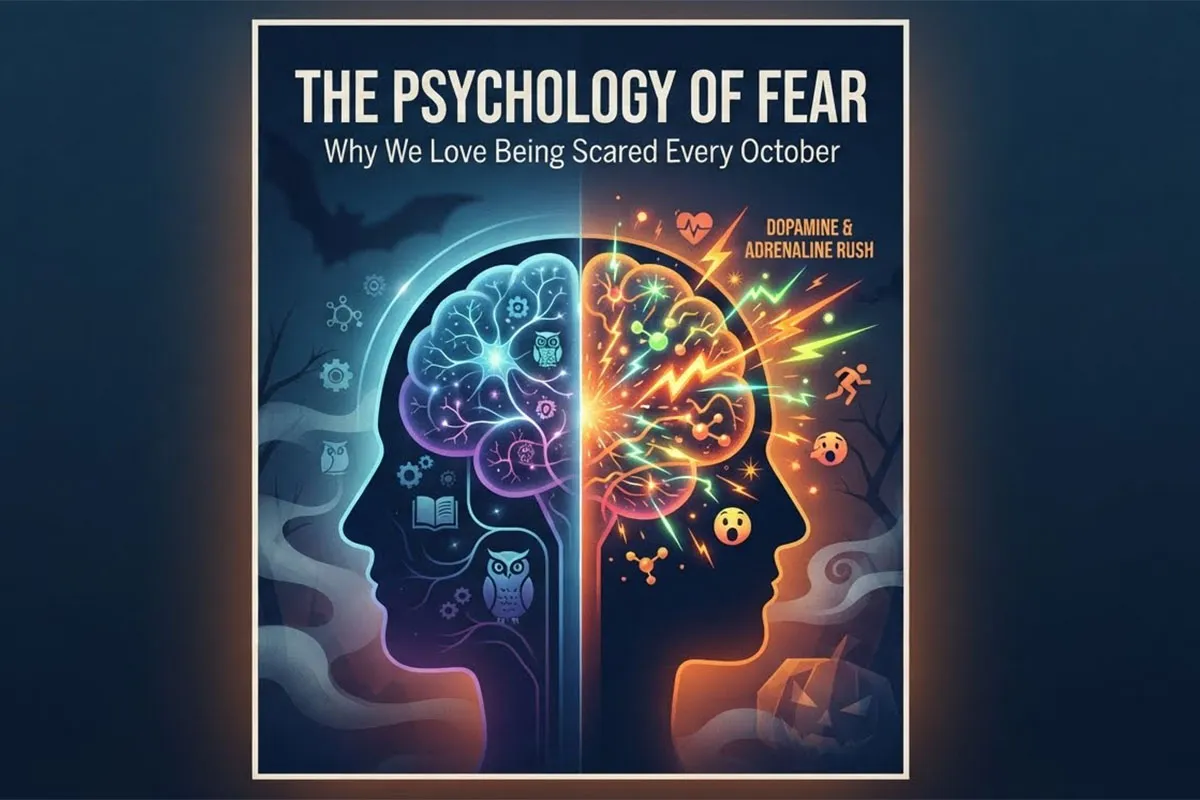
When you encounter a threat—whether it’s a real-world hazard or a jump-scare in a cinema—your brain's threat center, the amygdala, triggers the primal fight-or-flight response. This instantly floods your system with a powerful chemical cocktail:
Adrenaline: Spikes your heart rate, dilates your pupils, and sharpens your senses.
Cortisol: Boosts your energy reserves.
Dopamine & Endorphins: Flood the brain to manage stress and pain.
Here is the twist: once the initial shock passes and your brain realizes the threat isn't real, the adrenaline and cortisol subside, but the dopamine and endorphins remain. This leaves you with a natural, euphoric high. It is the exact same chemical reward system that thrill-seekers chase when skydiving or riding rollercoasters.
We don't actually enjoy true fear. No one wants to be chased by a real killer in a dark alley. The psychological enjoyment of horror depends entirely on what psychologists call a protective frame.
This frame is a mental boundary that assures your conscious mind that you are physically safe. Your primitive brain reacts to the monster on the screen, but your advanced prefrontal cortex knows you are sitting on a comfortable couch with a bowl of popcorn.
When your body experiences physical terror while your mind maintains cognitive safety, the fear is successfully recontextualized as thrill, play, and excitement. If that protective frame breaks—such as a haunted house actor accidentally touching a guest or crossing a physical boundary—the experience instantly shifts from enjoyable fun to genuine trauma.
Human beings rarely seek out scary experiences alone. We go to haunted houses in groups, and we watch horror films on dates. There is a profound social component to October's frights.
When we experience a high-arousal event together, our bodies release oxytocin, the "bonding hormone." Sharing intense emotional experiences creates a powerful sense of community and closeness. When you survive a terrifying maze with friends, the shared relief and subsequent laughter create deep, lasting social attachments.
In essence, getting scared together mimics the tribal bonding experiences of our ancestors, who relied on collective survival to overcome real-world apex predators.
Modern life is full of abstract, chronic anxieties: financial stress, career pressure, and global instability. These worries are exhausting because they lack a clear resolution.
Horror movies and Halloween attractions offer an emotional sandbox. They present a clear, tangible threat (a zombie, a ghost, a masked villain) that is introduced, confronted, and ultimately resolved within a tight 90-minute window.
By voluntarily stepping into these controlled environments, we practice regulating our emotions. We learn how to navigate panic, control our breathing, and tolerate distress. When the credits roll or you exit the haunted corn maze, you get to walk away with a profound psychological victory: "I was terrified, but I survived."
We love being scared every October because it allows us to feel intensely alive. In a world that is heavily structured and safely insulated, Halloween lets us safely flirt with our most primal instincts. It gives us permission to scream, laugh, and connect with our ancient, thrill-seeking roots—all before returning to the comfort of our peaceful everyday lives.
SUBSCRIBE for more!
/discord
Table of contents
The Chemistry of the "High"
The Power of the "Protective Frame"
Tribal Terror and "Scary Social Bonding"
An Emotional Sandbox for Resilience
Notes
As October draws to a close, millions of people willingly queue for hours to walk through haunted houses, pay to watch actors chase them with chainsaws, and sit in dark theaters letting horror movie soundtracks spike their heart rates. From an evolutionary standpoint, this behavior makes absolutely no sense. Fear is an unpleasant survival mechanism designed to keep us away from danger. Yet, every autumn, we turn terror into a multi-billion-dollar entertainment industry. Why do we love being scared? The answer lies at the intersection of brain chemistry, evolutionary biology, and social psychology.
Human fascination with October scares is driven by the interaction of brain chemistry, evolutionary biology, and social psychology within a controlled environment. Safe terror triggers a surge of adrenaline and dopamine, allowing individuals to experience high-arousal emotions and build social bonds without actual danger.
The Chemistry of the "High"
When you encounter a threat—whether it’s a real-world hazard or a jump-scare in a cinema—your brain's threat center, the amygdala, triggers the primal fight-or-flight response. This instantly floods your system with a powerful chemical cocktail:
Adrenaline: Spikes your heart rate, dilates your pupils, and sharpens your senses.
Cortisol: Boosts your energy reserves.
Dopamine & Endorphins: Flood the brain to manage stress and pain.
Here is the twist: once the initial shock passes and your brain realizes the threat isn't real, the adrenaline and cortisol subside, but the dopamine and endorphins remain. This leaves you with a natural, euphoric high. It is the exact same chemical reward system that thrill-seekers chase when skydiving or riding rollercoasters.
The Power of the "Protective Frame"
We don't actually enjoy true fear. No one wants to be chased by a real killer in a dark alley. The psychological enjoyment of horror depends entirely on what psychologists call a protective frame.
This frame is a mental boundary that assures your conscious mind that you are physically safe. Your primitive brain reacts to the monster on the screen, but your advanced prefrontal cortex knows you are sitting on a comfortable couch with a bowl of popcorn.
When your body experiences physical terror while your mind maintains cognitive safety, the fear is successfully recontextualized as thrill, play, and excitement. If that protective frame breaks—such as a haunted house actor accidentally touching a guest or crossing a physical boundary—the experience instantly shifts from enjoyable fun to genuine trauma.
Human beings rarely seek out scary experiences alone. We go to haunted houses in groups, and we watch horror films on dates. There is a profound social component to October's frights.
When we experience a high-arousal event together, our bodies release oxytocin, the "bonding hormone." Sharing intense emotional experiences creates a powerful sense of community and closeness. When you survive a terrifying maze with friends, the shared relief and subsequent laughter create deep, lasting social attachments.
In essence, getting scared together mimics the tribal bonding experiences of our ancestors, who relied on collective survival to overcome real-world apex predators.
An Emotional Sandbox for Resilience
Modern life is full of abstract, chronic anxieties: financial stress, career pressure, and global instability. These worries are exhausting because they lack a clear resolution.
Horror movies and Halloween attractions offer an emotional sandbox. They present a clear, tangible threat (a zombie, a ghost, a masked villain) that is introduced, confronted, and ultimately resolved within a tight 90-minute window.
By voluntarily stepping into these controlled environments, we practice regulating our emotions. We learn how to navigate panic, control our breathing, and tolerate distress. When the credits roll or you exit the haunted corn maze, you get to walk away with a profound psychological victory: "I was terrified, but I survived."
The Ultimate October Escape
We love being scared every October because it allows us to feel intensely alive. In a world that is heavily structured and safely insulated, Halloween lets us safely flirt with our most primal instincts. It gives us permission to scream, laugh, and connect with our ancient, thrill-seeking roots—all before returning to the comfort of our peaceful everyday lives.
SUBSCRIBE for more!
/discord
Irelia
Lead Tech Writer
Irelia translates complex current events into engaging digital and print narratives.
Sharing is caring